

Bubi's Betrayal
Role: Game Designer · Level Designer · Narrative Designer · Producer · Environment Artist
Team: 6
Development: 1 Month
Engine: Godot 4
Tools: GitHub / Photoshop / Google Workspace
A top-down adventure and narrative driven game where Ironmouse fights through Bubi's castle to save her beloved Bats.
I designed the game's level progression, enemies, combat encounters, bosses, narrative, UI, and environments while coordinating production for a six-person team.
Summary of Contributions
Level Design
-
Designed all levels and overall progression
-
Made Paper Maps
-
Designed combat pacing and difficulty progression

Paper Map of the Second Level
Combat Design
-
Designed melee and ranged enemies
-
Designed Connor boss encounter
-
Designed Bubi boss encounter
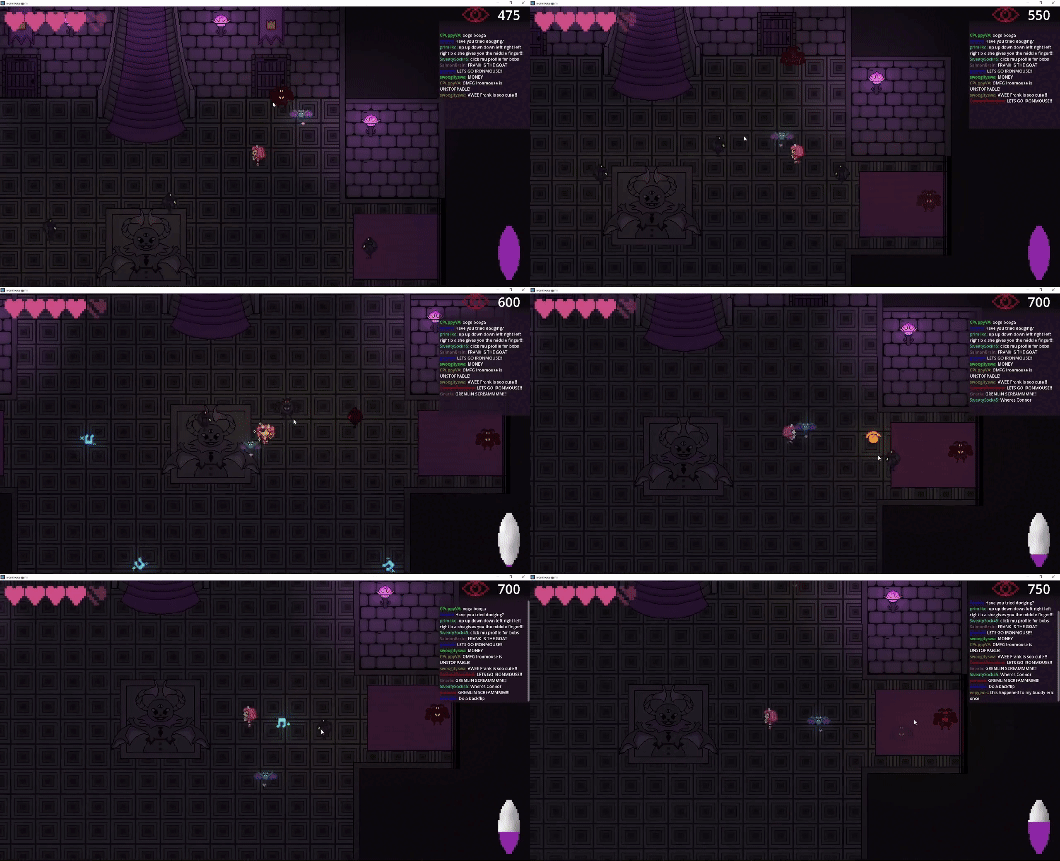
Gameplay from the second level: Hoard of enemies attack the player and the player uses gremlin scream.
Narrative
-
Wrote the game's dialogue
-
Integrated story beats into level progression
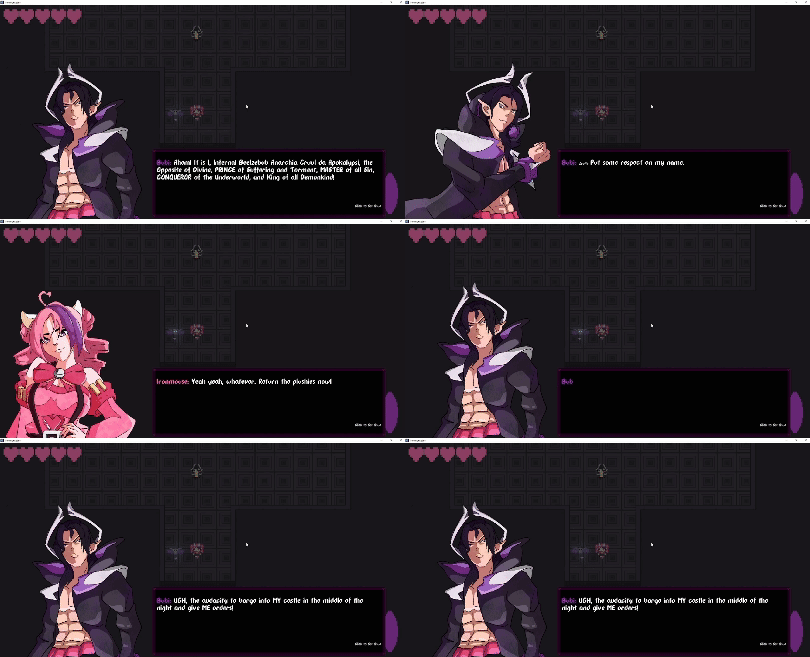
Narrative Screen
Art & UI
-
Created all environment art
-
Designed and created the art for the game's UI
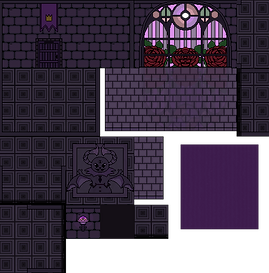
Tilemap of the boss level
Production
-
Coordinated a six-person team
-
Created weekly schedules
-
Organized meetings
-
Managed assets and progress tracking
Using mainly Google Workspace and Discord, I managed the production of this project.

Navigation
Game Design Document
I completed this first draft within the first week, then made any changes and balances throughout development. Each level is detailed down to the look, mechanics, dialogue and cutscenes. I wrote everyone's schedule at the end of the document.
Designing Combat
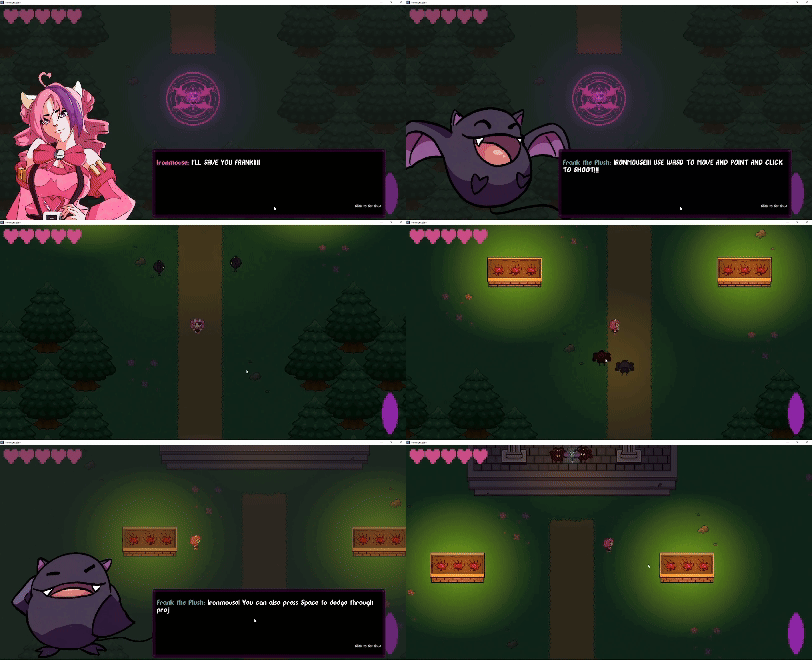
Gameplay from the first level:
Dialogue and few enemies
Gameplay from the second level: Fight against a hoard of Bubi's Guards
Designing the Enemy Encounters
I introduced minions to increase the difficulty. Melee minions taught basic movement and spacing requirements, then ranged minions were introduced afterward to challenge the player's ability to maintain distance while responding to threats from multiple directions
Melee Minion
Ranged Minion
Controlling Space: Their purpose was to encourage the player to maintain distance from approaching enemies. Players could safely attack from a distance, but had to keep moving to avoid being surrounded and taking damage.
Controlling Positioning: Melee minions could be escaped through movement, while ranged minions threaten Ironmouse even when she created distance by shooting projectiles.
This prevents players from relying solely on staying far away from enemies.
Enemy Type
Player Behavior it Encourages
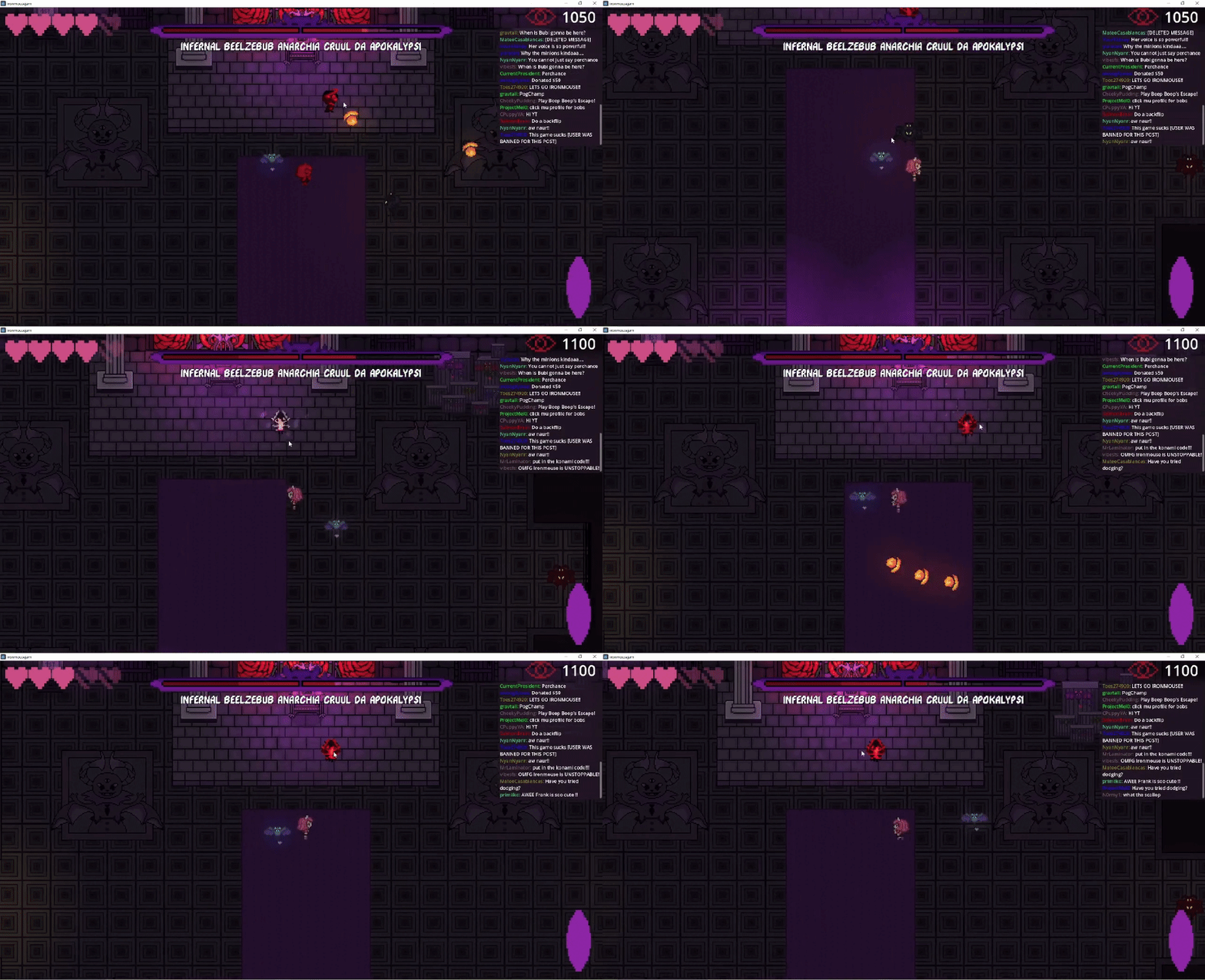
Bubi's Projectile Attack
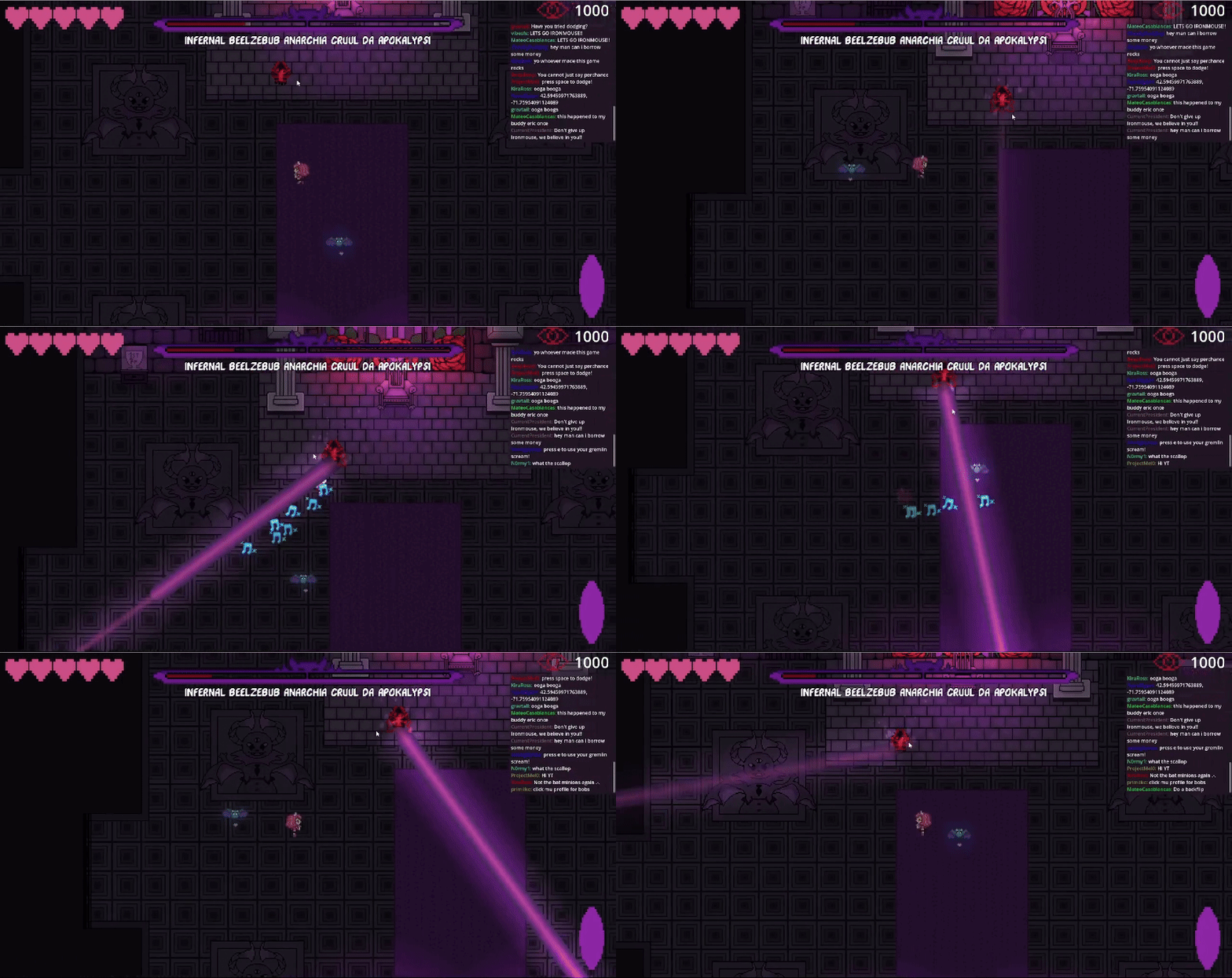
Bubi's Beam Attack
The Boss Fight: Bubi
Bubi was designed to challenge everything the player was taught about combat while introducing more complex attack patterns. Left in a large open area where the boss could move anywhere, the player had to rely on their positioning and dodging skills for survival.
Bubi's attacks include:
-
Projectiles: two sets of three projectiles
-
Beam: A beam that moves across the arena,
-
Teleportation: Occasionally teleports to a new position, preventing the player from relying on one location.
-
Summoning Ranged minions: Additional enemies create pressure from elsewhere in the arena.
Unlike Connor (Boss 2), Bubi does not constantly reposition. His challenge comes primarily from reading different attack patterns and deciding where to move next.
MELEE: Maintain distance
↓
RANGED: Watch the battlefield
↓
MIXED ENCOUNTERS: Manage multiple threats
↓
CONNOR: Track + reposition
↓
BUBI: Combine what you've learned
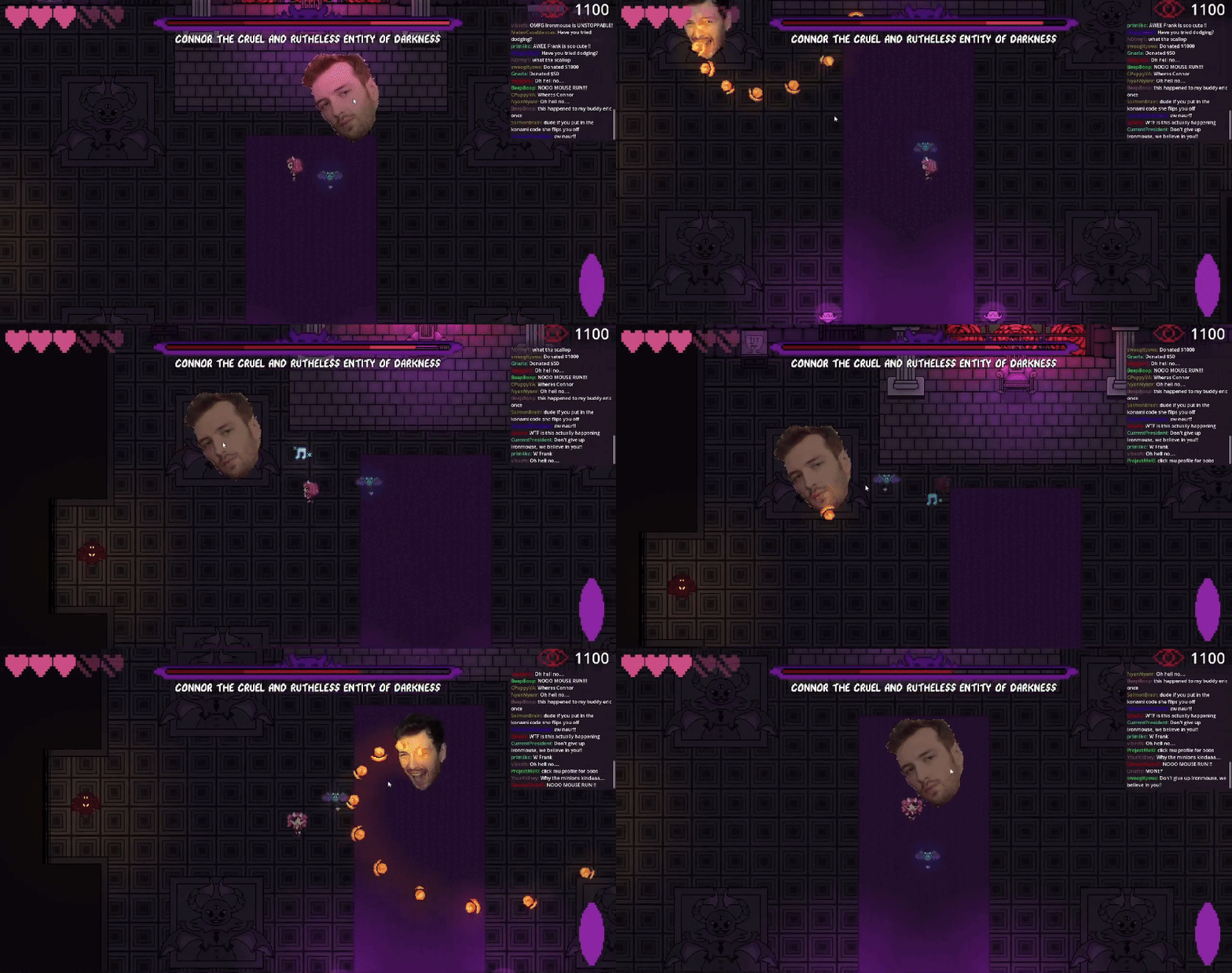
Boss Level: Connor teleports and attacks the player
Surprise Boss: Connor
The idea for Connor to be a second boss actually came from a teammate who brought it up during a team meeting. He serves as a break from Bubi when Bubi is half health, and some comedic relief. I took the concept and designed his encounter, determining when Connor would appear, how the fight would begin, his attacks, dialogue, and role within the game's progression.
Connors Attacks:
-
Connor attacks with a spiral pattern of fire projectiles, briefly pauses, and then teleports to a new location in the arena.
-
This cycle repeats throughout the encounter, making him hard to catch and use Gremlin Scream on.
Because Connor can repeatedly relocate, the player has to constantly reorient themselves, track his new position, and find opportunities to attack between projectile patterns.
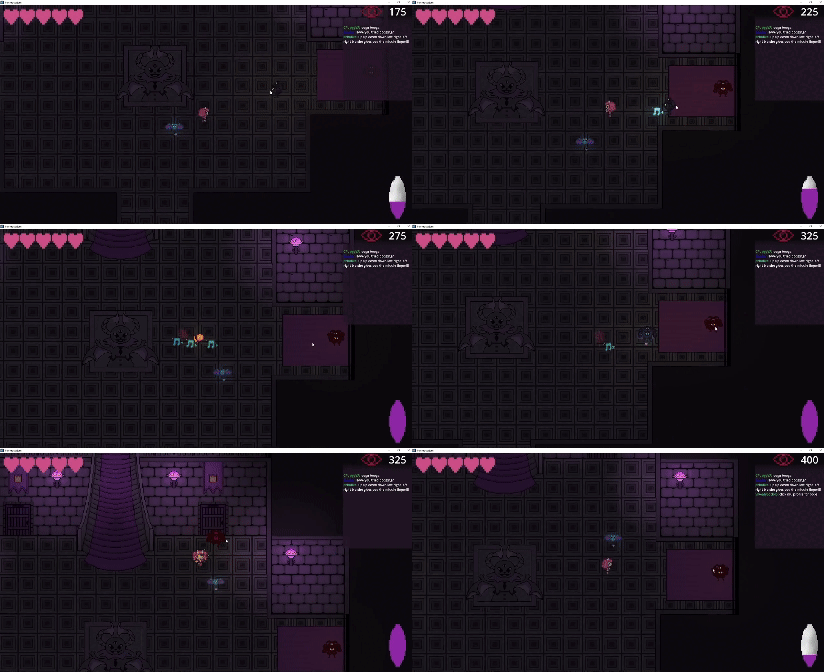
Gremlin Scream
A tool that allows players to regain control when surrounded, and its strength against bosses gave players an additional strategic option. This has a cooldown, so the players must use it carefully.
Level 2: Ironmouse uses Dodge and Gremlin Scream
What I would Improve
-
During development, I found an unintended weakness in the Boss encounter. Bubi and Connor did not have a close-range attack, so players could stand directly beside him and use Ironmouse's Gremlin Scream for very high damage.
-
This created a safe strategy that worked against the encounter's intended focus on dodging and movement.
-
If I were to revisit the fight, I would give Bubi a close-range response to discourage players from remaining directly beside him. I would also revise the beam to better track the player's position rather than using a fixed left-to-right sweep, creating a stronger reason for the player to continuously reposition.
Level Design
I designed the game's levels from beginning to end, using level progression to gradually introduce combat mechanics, increase difficulty, and move the player through the narrative.
Level 0 - Ironmouse's Room (cut)
Level 1 - Introduction
Level 2 - Escalation
Boss Level - Bubi's Throne Room

Gameplay from the first level:
Dialogue and few enemies
Paper Map lvl 1 with key
Level 1 - The Tutorial
With Level 0 cut, I used the opening of Level 1 to introduce the game's main conflict and controls. I gave players a safe space to experiment before introducing melee and ranged enemies, gradually establishing the game's combat loop. Melee enemies encouraged players to maintain distance, while ranged enemies introduced threats from across the level.
Design Goals:
Narrative: Introduce the goal (saving the stolen bats)
Onboarding: Give players space to learn the controls
Combat: Establish movement and spacing

Gameplay from the second level: Fight against a hoard of Bubi's Guards
Paper Map lvl 2
Level 2 - Escalating the Challenge

Boss Level: Connor teleports and attacks the player
Level 2 increased pressure by ambushing the player with melee and ranged enemies from multiple directions, requiring effective crowd control to progress. Also, I introduced Ironmouse's streaming mechanic, where increasing viewer counts made the fake chat faster and more active. Players needed to reach a target viewer count by eliminating enemies to advance.
Design Goals:
Combat: Manage threats from multiple directions
Challenge: Balance damage output with crowd control
Progression: Defeat enemies and build viewer count
Paper Map lvl 3

Level 3 - The Boss level
Level 0 - Cut Due to Scope
(Reference Image was here)
The final boss area is a large, open space designed to give players room to dodge increasingly complex attacks. After learning the game's combat fundamentals and improving their skills across the previous levels, the player is given a final test that combines those skills under pressure. LEARN -> PRACTICE -> ESCALATE -> FINAL TEST
Design Goal:
Give the player enough space to react while making movement and attack recognition essential to survival.
-
Originally, the game began with a short introductory level inside Ironmouse's room. The player would meet Ironmouse, see her relationship with her bat plush, and establish an emotional reason to recover it after the theft.
-
I cut it because I was responsible for creating the game's environments alongside my other design and production responsibilities, and recognized that building an additional environment would significantly increase the project's scope.
-
Removing the level allowed for more development time, but it also removed narrative context. Without seeing Ironmouse's attachment to the bat beforehand, the player's motivation to rescue it was less established.
UI Design
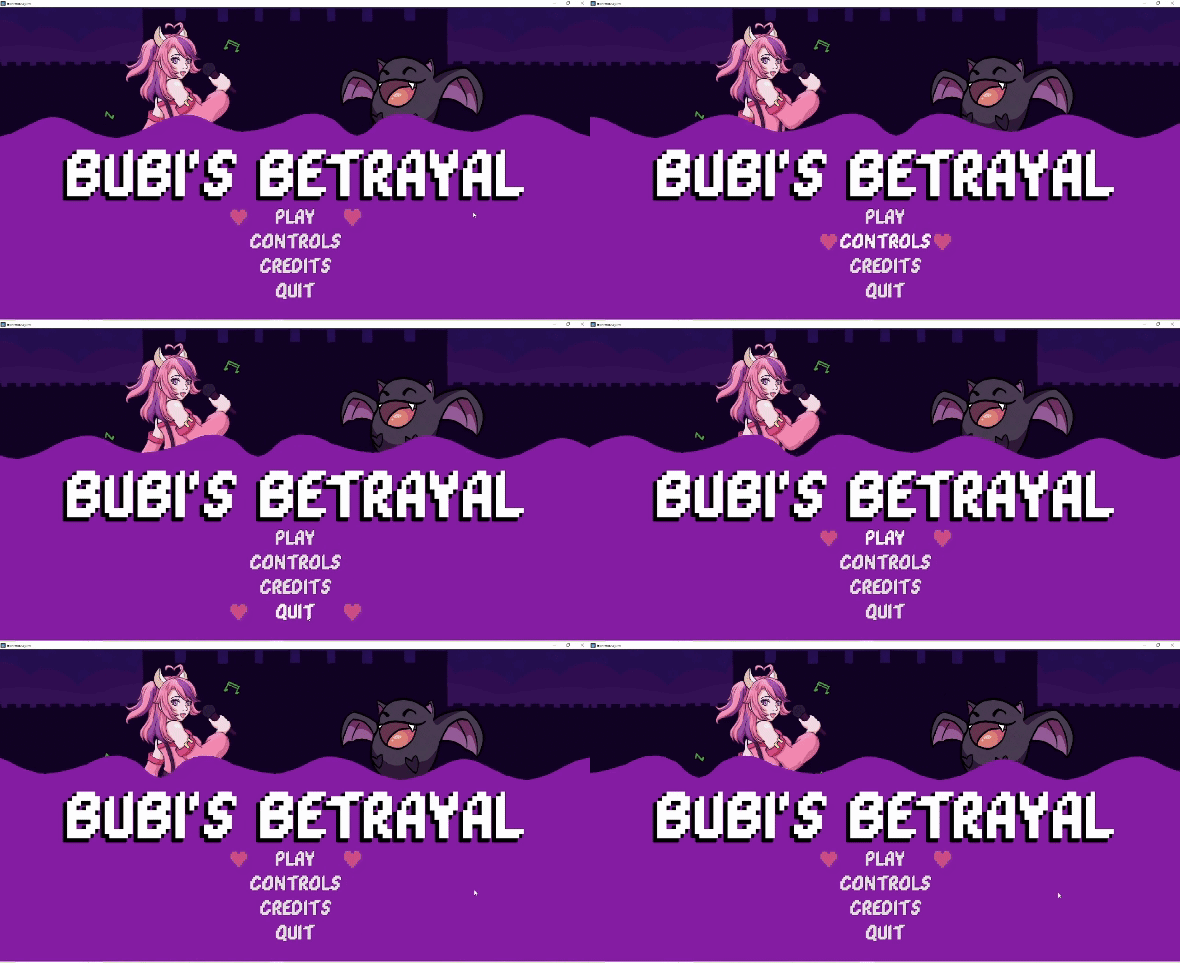
Title Screen
The title screen is quick to navigate and sets the spooky but cute atmosphere of the game. Above, it introduces the two main characters, Ironmouse and Frank the Plushie.
Narrative Screen
This screen furthers the narrative before each level starts.
Health Bar

"Viewer" Points
Fake Chat that goes faster the more "Viewer" points the player has
Gremlin Scream ability charge
Second and Third Level UI
This game was made for Ironmouse and her viewers, so adding her and her stream will make them feel included. The chat also contains gameplay tips and reminders of controls, because Ironmouse would be in a rush to play all of the games in the game jam.
The more viewers that Ironmouse has, the faster each chat will appear.
Early UI Concepts
Below are some early UI concepts I made within Draw.io to show the the team what each UI menu should look like.
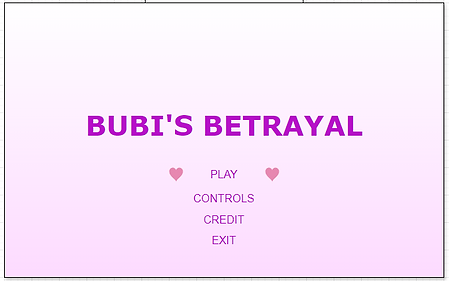

Title Screen
Main Game Screen

Boss Screen